CAP BRIEF / Fabric · Fit · Artwork · Pack

Supplier matching / requirement control

Custom made baseball cap sourcing method

Turn a visual cap idea into a specification that factories can answer. Separate the construction request from decoration approval, then compare responses against the same quantity and delivery assumptions.

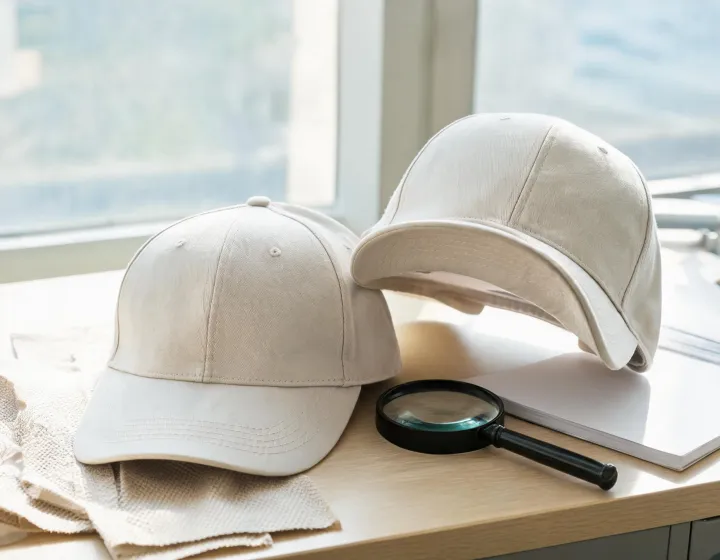
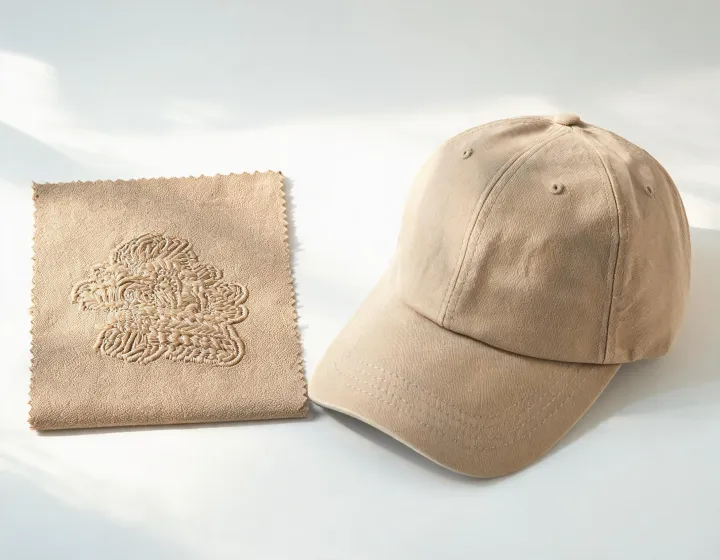
Cap fabric and brim construction review at a sourcing deskEmbroidery stitch-out placed beside an unbranded finished cap

We provide independent buyer-side sourcing coordination. We do not own a factory, hold inventory or certify a supplier's cap.

Four scope lanes for a usable factory response

01 / Specification

Control construction before decoration

List panel count, structured or unstructured crown, fiber content, fabric weight if specified, brim construction, sweatband and adjustment method. Indicate the head circumference range in cm or in, and use one unit consistently. A size label alone leaves fit interpretation open.

Verification prompt: Which measurements and tolerances will the proposed sample demonstrate?

02 / Sample

Make artwork approval tangible

Identify the artwork revision, embroidery placement and dimensions. Ask for the stitch-out, thread reference and backing details on the quoted material. A digital mockup helps placement discussions but cannot establish how the stitch sits on a curved crown.

Verification prompt: Does the approval sample use the proposed fabric and decoration method?

03 / Quote

Normalize cost and quantity

Request MOQ by color and artwork, digitizing or tooling charges, sample costs and unit price basis. Keep alternatives in separate quote lines. Low unit cost may suit a simple emblem; detailed customization can add preparation and approval steps.

Verification prompt: Which packaging, freight and destination charges are included?

04 / Delivery

Account for every approval gate

Record sample review, artwork sign-off, production estimate and transit assumptions as separate milestones. Supply the US destination ZIP code and required arrival date. We can coordinate questions, but the supplier must confirm availability and the proposed schedule.

Verification prompt: When does the quoted production clock begin, and what can change it?

Choose an inquiry configuration and use the quote checklist to preserve exclusions. The buyer brief explains how to keep requested and confirmed data separate.

Keep revisions traceable through the order

  1. Specification

    Label the cap brief with a revision, material, closure and approved artwork size.

  2. Quotation

    Match supplier response to that revision, quantity unit, packaging and destination.

  3. Sample

    Record the stitch-out, fit review and unresolved differences against the proposed cap.

  4. Shipment documents

    Request packing, labeling and order references for the agreed configuration.

Status legend: requested → received → reviewed → buyer approved. A document received is not automatically verified. Supplier identity, sample equivalence and production timing remain open until the relevant evidence is reviewed for this order.

Start with the cap decisions you already know

  1. Write the cap specification
  2. Mark acceptable alternatives
  3. Send quantity and US delivery scope

Include the target timing and any optional budget with a currency and per-piece or total-order basis. Missing details can be clarified; a quote requires the supplier to confirm its actual scope.

Business procurement support

FREE sourcing support

Explore a sourcing benefit of up to 3%.

Eligibility applies to qualified business buyers and is confirmed after we review your product, quantity, destination, and sourcing requirements.

This is a qualification-based support description. Product configuration and quotation scope are reviewed before any benefit is confirmed.